
How to Balance Tough Love and Self-Care
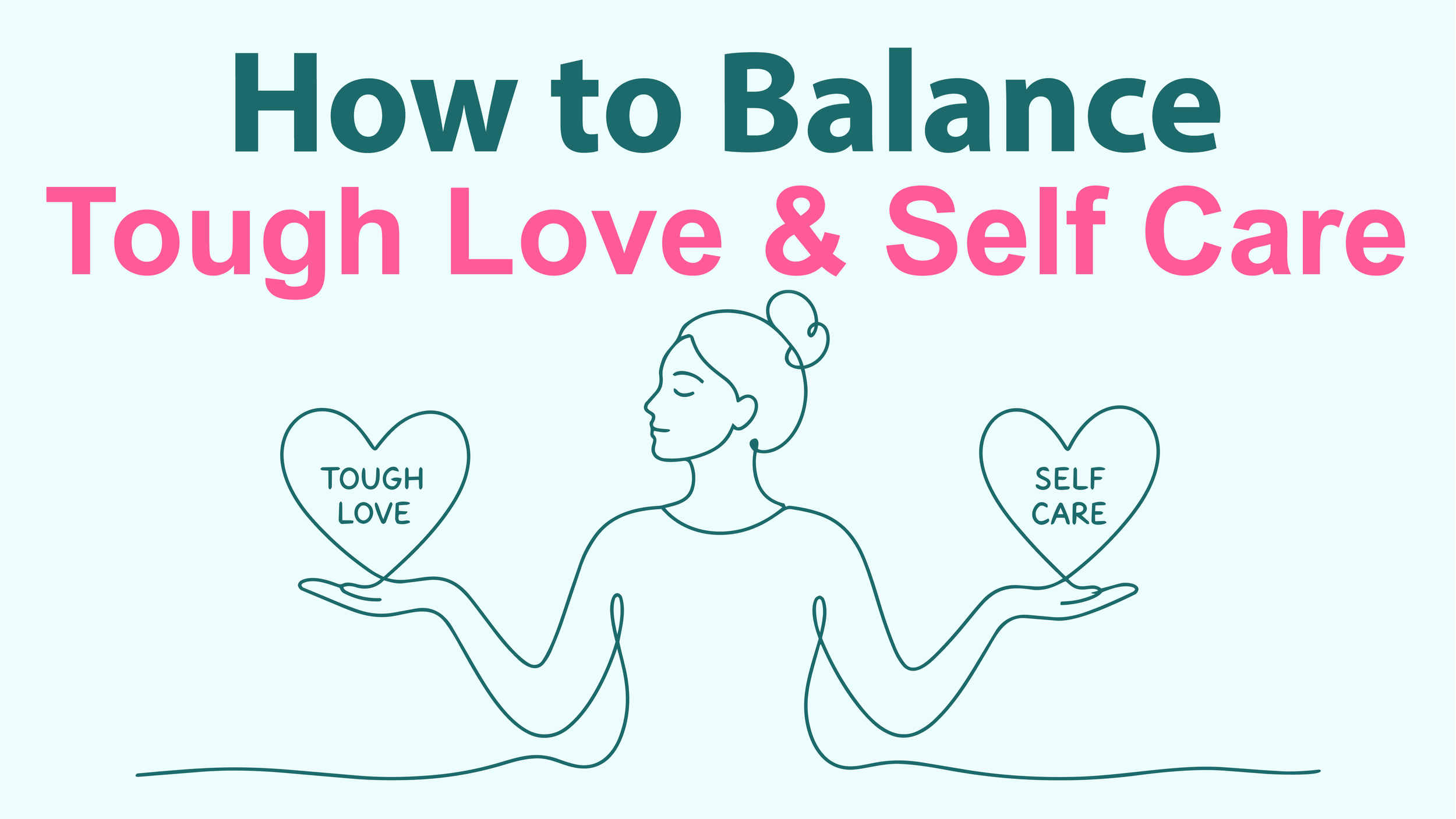
I like to work hard. Not out of punishment, but because I genuinely enjoy it.
That wasn’t always the case. When I was younger, I’d get excited about new projects and plans, but I wouldn't follow through. Then I'd feel shitty about myself. It became a self-defeating loop: the worse I felt, the less I did; the less I did, the worse I felt.
What changed wasn’t dramatic. It was small, and incremental. I started asking a little more of myself— even if I didn’t want to do something, I’d spend 10 more minutes on it before stopping. Those small acts of follow-through started adding up — not only making me more productive but helped rebuild my self-esteem.
Now, I sometimes swing the other way and work too hard — right up until I hit a wall.
It usually happens in the late afternoon. My brain becomes like a horse that reaches one of those jumping hurdles, comes to a sudden stop, and refuses to clear it. When that happens, I’ve learned it’s best to stop and pick work back up again the next day.
I used to feel guilty about that, like it meant I was a loser. It doesn’t. Not if you trust yourself to return—and I do. That trust is the difference. Knowing when to lean in, and when to step back, is what allows the work to get done, and (just as importantly) allows me to feel good while doing it.
And that balance feels especially relevant right now.
It’s no secret, the industry is in a rough period. Jobs are scarce. Development is slow. And when things slow down, most writers default to one of two modes: they either double-down and grind harder or pull back and tell themselves they’ll put in the work when things “pick up.”
Both feel reasonable. Neither really work in the long run.
You can’t just sit around waiting for better days — you still have to write the next spec, send the next email, keep moving forward. But if every day is a grind, you’re not building momentum — you’re just draining yourself.
On the flip side, if you ease off too much, nothing’s moving forward.
So where’s the line? When is pushing actually productive, and when is it just punishing yourself? When is rest necessary, and when is it avoidance in disguise?
The line between tough love and self-care can be tricky to navigate. This post offers some tips on how to find the balance between the two -- so you can keep your career moving forward without burning yourself out in the process:
1. Tough love is about action, not punishment
First let’s drill down on what tough love actually is. Tough love is about holding the line with yourself when it would be easier not to. It’s honoring the deadline, taking the uncomfortable meeting, doing the rewrite instead of talking about the rewrite. It’s not ‘checking out’ every time something feels hard. Don’t get me wrong, tough love isn't about grinding yourself into the ground, spiraling over what you haven’t done, or setting unrealistic expectations. It’s just about forward momentum. Encouraging yourself to stay at your laptop and take the next small (sometimes annoying) step — even when it’s challenging and you’d much rather “get back to it later”.
2. Self-care is about recovery, not avoidance
Self-care, on the other hand, isn’t about stepping away because something feels hard — it's stepping away because you’ve hit your limit. It's recognizing when your brain is fried, when comparison has hijacked your focus, or when you’re stuck looping on things you can’t control — and choosing to give yourself a break so you can come back sharper. The goal of self-care isn’t escape or avoidance, it's to reset. Rest, recover, ‘fill your cup’ and then return to work in a better frame of mind.
3. Know the difference between what you need
This is where a lot of writers get tripped up. Not wanting to write doesn’t always mean you need a break. Sometimes it means you’re avoiding something difficult (like a big plot problem or a note you don’t want to tackle). That’s resistance, and that's where tough love comes in: try staying with the work a little longer — even if it’s just 10 more minutes to try and push through the creative challenge (A practical way to do this is to set a timer for 10 minutes, put your head down and work straight through until the timer goes off… then step away from your computer knowing you moved something forward, even if it’s just a tiny step. You’ll feel better about yourself). But if you’re staring at the page and nothing’s landing — if you’re rereading the same lines over and over, and your brain genuinely feels like mush — that’s not resistance, that’s burnout (and pushing through in that state of mind usually makes the work worse, not better). If you’re burned out, you need self-care. Learn to tell the difference between which one you need, and then take action accordingly.
4. Find a balance
Most writers don’t struggle with effort, they struggle with balance: swinging between pushing too hard and checking out completely. Working in these extremes can make sense short term (like if you’re on a strict deadline), but long-term they’re not good for your writing, your health, or your personal well-being. Instead, try consistency: regular writing time, regular breaks, and realistic expectations for what you can get done in a day. This is where tough love and self-care actually work together. Tough love is what gets you to open your laptop in the morning, put your phone away, and put in a focused day's work. While self-care is what tells you to finish work at a reasonable hour and make dinner, step outside, see a friend, or go to an exercise class. Taking breaks from writing to live a bit of life isn’t wasted time — they're small ‘resets' of self-care to keep you from burning out. If you only take breaks when you’re completely fried, it’s not a break — it's a full shutdown (and those are much harder to come back from). Consistency, not punishing intensity, is what gets scripts finished and keeps your mind and body healthy.
5. Bottom line: you need both — just not at the same time
You don’t need to be in “push mode” all day, every day. And you don’t need to rest every time something feels uncomfortable. The goal is to respond appropriately to what’s in front of you. When it’s time to work, work. When it’s time to rest, fully commit to rest. Balancing tough love and self-care isn’t about finding a perfect middle — it’s about recognizing which one you need in the moment, and committing to it.
What are your tips for balancing tough love and self-care? Let me know @CaroleKirsch!
For more industry info and tips check out these additional resources:
If you're interested in finding out more about my one-on-one coaching, go to: carolekirschner.com/options
For the ultimate guide to pitching a TV show that sells, check out my e-book, The Ultimate Guide to a Killer Pitch
To learn how to create your “personal logline” read my free e-book, Tell Your Story in 60 Seconds.
And you can find my book, Hollywood Game Plan on Amazon or at Michael Wiese Productions (MWP).